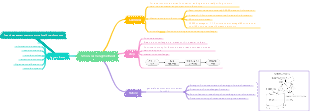
MindMap Gallery Simon learning method
"Simon Learning Method" refers to a theory put forward by Professor Simon, the Nobel Prize winner in Economics: "For a person with a certain foundation, as long as he is really willing to work hard, he can master any subject within 6 months. ”
Edited at 2022-11-07 11:23:47Avatar 3 centers on the Sully family, showcasing the internal rift caused by the sacrifice of their eldest son, and their alliance with other tribes on Pandora against the external conflict of the Ashbringers, who adhere to the philosophy of fire and are allied with humans. It explores the grand themes of family, faith, and survival.

This article discusses the Easter eggs and homages in Zootopia 2 that you may have discovered. The main content includes: character and archetype Easter eggs, cinematic universe crossover Easter eggs, animal ecology and behavior references, symbol and metaphor Easter eggs, social satire and brand allusions, and emotional storylines and sequel foreshadowing.
[Zootopia Character Relationship Chart] The idealistic rabbit police officer Judy and the cynical fox conman Nick form a charmingly contrasting duo, rising from street hustlers to become Zootopia police officers!
Avatar 3 centers on the Sully family, showcasing the internal rift caused by the sacrifice of their eldest son, and their alliance with other tribes on Pandora against the external conflict of the Ashbringers, who adhere to the philosophy of fire and are allied with humans. It explores the grand themes of family, faith, and survival.
This article discusses the Easter eggs and homages in Zootopia 2 that you may have discovered. The main content includes: character and archetype Easter eggs, cinematic universe crossover Easter eggs, animal ecology and behavior references, symbol and metaphor Easter eggs, social satire and brand allusions, and emotional storylines and sequel foreshadowing.
[Zootopia Character Relationship Chart] The idealistic rabbit police officer Judy and the cynical fox conman Nick form a charmingly contrasting duo, rising from street hustlers to become Zootopia police officers!
Simon learning method
Positive motivation to learn
The amount of learning
721 Rule: Spend 10% of your time studying, 70% of your time practicing, and 20% of your time communicating.
purpose of learning
What can learning bring us and why should we learn.
Understand the benefits of learning to enhance learning motivation
The right way to study
Choose an area of study
Make decisions based on the importance and urgency of learning things
Set learning goals
Set a big goal and then break it into smaller goals to implement
Split learning content
Breakpoint resume method
Divide it into multiple blocks to enhance concentration and facilitate thinking.
mind mapping
Straighten ideas and consolidate knowledge
Concentrate on studying
Habit formation
belief
trigger
habitual behavior
award
Reward lever, use rewards to double learning motivation and increase learning motivation
The transition between delayed gratification and instant gratification
Deliberately practice concentration
learning direction
Skill
Unity of knowledge and action, combining theory and practice (knowing does not mean doing, knowing does not mean learning)
case study method
Help us train logic and digest knowledge through test questions or some more typical cases
associative memory method
Connect knowledge with something that is more exaggerated or easier for people to remember to achieve the effect of associative memory
extended learning method
Expand knowledge and connect it with other knowledge to consolidate memory and speed up memory.
Two-headed memory method
Segmented learning: before going to bed and after waking up are good memory stages
emotional memory method
Emotions help strengthen memory
Feynman learning method
subtopic
competitive learning method
Involution, imagine competing with others
pomodoro technique
Work for 25 minutes and rest for 3-5 minutes (do not take breaks that consume a lot of mental energy) to focus more
Cornell note-taking
First use area B to record key and difficult knowledge, classify it, keep it concise and concise, and leave space for recording again.
Use area A again to review, search, and sort out
Finally, Area C, key review, difficult breakthroughs, summary thinking, feedback
Put yourself between the comfort zone and the difficulty zone to get twice the result with half the effort
comfort zone
growth area
difficult area
continuous study time
Fragmented accumulation of study time
Focus on overall time
method
Record content
When recording, ensure the integrity of various important knowledge points and new knowledge points.
Simplify content
Organize the recorded content and quickly review the content learned in class
Record keywords and tags in area A for easy sorting and consolidation
Recite content
Cover area B and sort through the keywords and tags in area A.
Think content
Record what you feel and think in Area C
Review content
Review regularly
feedback
Provide timely feedback on what went wrong, correct errors, and continuously reconstruct the program in the brain
Understand whether you are dismantling building blocks or pulling out building blocks
Remove building blocks
Accumulation, continuous learning
Draw blocks
Consuming yourself, punching in with self-impression, perfunctory