MindMap Gallery Oral Anatomy and Physiology-Deciduous Teeth Appearance
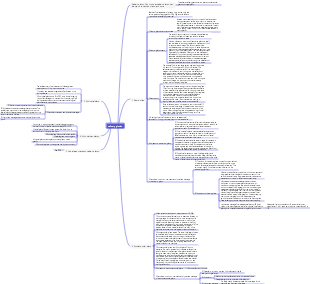
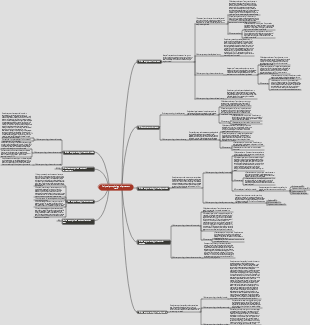
This is a mind map of the eighth edition of the Human Health Department on oral anatomy and physiology, which summarizes the deciduous incisor group, The deciduous canine group, deciduous molar group, etc.
Edited at 2023-12-04 10:22:07This is a mind map about bacteria, and its main contents include: overview, morphology, types, structure, reproduction, distribution, application, and expansion. The summary is comprehensive and meticulous, suitable as review materials.

This is a mind map about plant asexual reproduction, and its main contents include: concept, spore reproduction, vegetative reproduction, tissue culture, and buds. The summary is comprehensive and meticulous, suitable as review materials.
This is a mind map about the reproductive development of animals, and its main contents include: insects, frogs, birds, sexual reproduction, and asexual reproduction. The summary is comprehensive and meticulous, suitable as review materials.
This is a mind map about bacteria, and its main contents include: overview, morphology, types, structure, reproduction, distribution, application, and expansion. The summary is comprehensive and meticulous, suitable as review materials.
This is a mind map about plant asexual reproduction, and its main contents include: concept, spore reproduction, vegetative reproduction, tissue culture, and buds. The summary is comprehensive and meticulous, suitable as review materials.
This is a mind map about the reproductive development of animals, and its main contents include: insects, frogs, birds, sexual reproduction, and asexual reproduction. The summary is comprehensive and meticulous, suitable as review materials.
Baby tooth shape
1. Deciduous incisor group
(1) Maxillary primary central incisors
Characteristics: Similar in shape to maxillary permanent central incisors, but smaller in size.
1. Crown: The labial surface is smooth, slightly trapezoidal, the mesial edge and incisal edge are straight, the distal edge and cervical edge are more protruding, the mesiodistal diameter is larger than the incisal diameter, and the width and shortness of the crown are important features of this tooth. . The mesial incisal angle is like a right angle, the distal incisal angle is rounded and blunt, and the cervical ridge is obviously protruding. The lingual surface and the labial surface are approximately equal in size, the mesial and distal marginal ridges are more prominent, the lingual protuberance is prominent, and the lingual fossa is obvious. The proximal surface is triangular in shape. Because the cervical ridge and lingual protuberance are obviously prominent, the crown neck is very thick and the crown and root are distinct.
2. Tooth root: It is a wide and flat single root, the labial surface is wider than the lingual surface, and the root length is about twice the crown length. The apical 1/3 of the root is labial and slightly distal. A wide crown and wide root are important anatomical features of this tooth.
(2) Maxillary deciduous lateral incisors
1. Crown: Smaller than the maxillary primary central incisor, the crown is shorter and narrower. The labial surface is slightly protruding, the mesial and distal diameter is smaller than the incisal diameter, the mesial incisal angle is blunt, and the distal incisal angle is arc-shaped. The cervical ridge and lingual protuberance are shallower than the lingual fossa of the maxillary primary central incisor.
2. Tooth root: It is a narrow and slightly thick single root. The root apex is labial and slightly distal.
(3) Mandibular primary central incisors
Features: Similar in appearance to the crown of the mandibular permanent central incisor, but the length is slightly longer than the width and not as narrow and long as the mandibular permanent central incisor.
1. Crown: The labial surface is smooth, the mesial and distal edges are symmetrical, the mesial incisal angle and the distal incisal angle are sharp and symmetrical, the incisal edge is straight, and the cervical ridge is prominent. The marginal ridge of the lingual surface is narrow and protruding, but the protuberance of the lingual surface is small and protruding, and the lingual fossa is obvious. The proximal surface is triangular in shape, and the incisal ridge is thin and located on the long axis of the tooth.
2. Tooth root: It is a relatively slender single root, and the root length is about twice the crown length. The root of the tooth is straight and the apex is labial.
(4) Mandibular deciduous lateral incisors
1. Crown: larger than the mandibular deciduous central incisor, the labial surface is slightly protruding, the mesial edge is long and straight, the distal edge is short and protruding, the mesial incisal angle is sharp, and the distal incisal angle is rounded and blunt. The incisal ridge runs obliquely from the mesial to the distal lingual side. The mesiodistal marginal ridge and lingual protuberance of the tongue surface are obvious, and the tongue fossa is deep.
2. Root: It is a single root, slightly longer than the crown of the mandibular primary central incisor, and the root narrows from the labial surface to the lingual side. The root apex is labial and slightly mesial.
2. Deciduous canine group
(1) Maxillary deciduous canines
1. Crown: The labial axial ridge is obvious, the cervical ridge is prominent, and the curvature of the cervical margin is very small. The marginal ridge on the tongue surface is obvious, and the lingual fossa is divided into the mesial lingual fossa and the distal lingual fossa by the lingual axial ridge. The cusp is long, about half the length of the crown, the mesial oblique edge is longer than the distal oblique edge, and the cusp is distal. This is the most important anatomical feature of the maxillary deciduous canine.
2. Tooth root: It is a slender and straight single root, the labial side is wider than the lingual side, the root tip is labial and curves distally.
(2) Mandibular deciduous canines
1. Crown: The mandibular deciduous canine is similar to the maxillary deciduous canine. The crown is short and narrow, the mesial edge is long and straight, the distal edge is short and protruding, the cervical edge is straight, and the labial axial ridge is also obvious. The ridge is prominent. The lingual surface marginal ridge and lingual axial ridge are slightly protruding, and the lingual fossa is more obvious. The lingual axial ridge divides the lingual fossa into the mesial lingual fossa and the distal lingual fossa. The distal oblique edge is longer than the mesial oblique edge, so the cusp is more mesial.
2. Root: It is a single root, slightly narrower than the root of the maxillary deciduous canine, and the root tip is slightly biased labially and curved distally.
3. Primary molar group
(1) Maxillary first primary molar
1.Dental Crown:
(1) Buccal surface: Like a trapezoid, the width of the mesial and distal diameter is greater than the height of the neck, the mesial edge is long and straight, and the distal edge is short and protruding. The neck of the tooth is narrowed, so the cervical ridge is very prominent, especially the mesial part. The cheek tip is slightly protruding and slightly mesial.
(2) Lingual surface: smaller and more rounded than the buccal surface, and the tongue tip is rounder and more protruding than the buccal tip.
(3) Proximal surface: It can be seen that 1/3 of it is significantly narrowed, and the 1/3 of the buccal neck is very prominent.
(4) Facial surface: The shape is similar to the maxillary premolar, but the shape of the triangular ridge and groove of the buccal and lingual tips of the facial surface is not as clear as the maxillary premolar.
2. Tooth roots: long and slender, with three roots. The root trunk is short, the root bifurcation is close to the tooth neck, and the root bifurcation is large to protect the permanent tooth germ between it.
(2) Mandibular first deciduous molar
Features: The only baby tooth that does not resemble any permanent tooth.
1.Dental crown
(1) Buccal surface: It is quadrilateral, but the mesial edge is long and straight, and the distal edge is extremely short and protruding, resembling a triangle with the mesial edge as the base. The mesial buccal cusp is larger than the distal buccal cusp, there is a groove between the two buccal cusps, and the mesial cervical crest is the most prominent.
(2) Lingual surface: The lengths of the mesial and distal edges are similar, and the neck edge is straight. The mesial tongue tip is long and pointed, the distal tongue tip is short and round, and there is a groove between the two tongue tips.
(3) Proximal surface: The cervical ridge in the mesial 1/3 of the buccal neck edge is obviously prominent, and the 𬌗1/3 is obviously narrowed. The buccal and lingual tips are very close to each other, approximately like a triangle with the neck edge as the base.
(4) 𬌗 surface: It is an irregular quadrilateral with a very short mesial ridge, like a triangle with the distal ridge as the base. There are 4 cusps on the 𬌗 surface, the mesial buccal cusp is the largest, the mesial lingual cusp is the second, the distal buccal and lingual cusps are very small, and the mesial buccal and lingual cusps are close together. The triangular ridges of these two cusps are almost connected, dividing the 𬌗 surface into smaller ones. The mesial fossa and the larger distal fossa are both deep and connected by a central groove. The ridges on the 𬌗 surface are not clear.
2. Tooth root: divided into mesial and distal roots. The root trunk is short and the root bifurcation is large.
(3) Second deciduous molar
Features: The maxillary second deciduous molar and the mandibular second deciduous molar are similar in shape to the first permanent molar in the same jaw, and are adjacent to each other, making it easy to confuse them.
1. The crown of the second deciduous molar is smaller than that of the first permanent molar and is milky white.
2. The proximal view of the second deciduous molar shows that the proximal cervical edge of the crown is significantly reduced, and the cervical ridge is prominent. The crown is gathered from the neck to the 𬌗 direction, and the proximal cervical surface is large and the 𬌗 surface is small.
3. The mesiobuccal cusp, distal buccal cusp and distal cusp of the mandibular second deciduous molar are approximately equal in size, and among the three cusps of the mandibular first permanent molar, the mesiobuccal cusp > the distal buccal cusp > the distal cusp
4. The maxillary second deciduous molar has three roots and the mandibular second deciduous molar has two roots. The root trunk is short and the root bifurcation is large.
Compared with permanent teeth, deciduous teeth have the following characteristics:
1. Deciduous teeth are milky white, smaller in size than permanent teeth of the same name, and have short and wide crowns.
2. The neck of the deciduous tooth is narrowed, the cervical ridge is prominent, the tooth root is significantly reduced, and the crown and root are distinct.
3. Wide crowns and narrow roots are the characteristics of deciduous anterior teeth, but maxillary deciduous central incisors have wide crowns and wide roots.
4. The mesial cusp ridge of the maxillary deciduous canine is longer than the distal cusp ridge. It is the only one between the deciduous canine and the permanent cusp that is biased distally.
5. The volume of the deciduous molars increases gradually. The mesiobuccal cusp, distal buccal cusp and distal cusp of the mandibular second deciduous molar are equally large. The 𬌗 side of the deciduous molars has a large degree of convergence, the 𬌗 surface is narrowed, and the cusps, pits and grooves are unclear.
6. Except for the maxillary primary central incisor, which has a flat and wide root, the other primary anterior teeth have slender roots and their root tips are biased labially. The roots of deciduous molars are extremely short and have a large bifurcation. The maxillary deciduous molars have three roots, namely the mesio-distal buccal root and the lingual root. The mandibular deciduous molars have two roots, namely the mesial root and the distal root.
Applied Anatomy of Deciduous Teeth P44