Wondershare EdrawMind
MindMap Gallery Sympahtetic drugs
Sympahtetic drugs
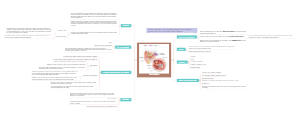
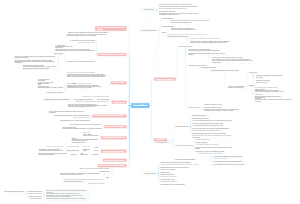
This extensive mind map provides an in-depth overview of sympathetic drugs, their classifications, therapeutic uses, adverse reactions, and detailed pharmacological roles. It outlines the application of beta-blockers in conditions like hypertension, angina, and arrhythmias, and specifies the drugs of choice for various clinical scenarios. The map also includes the use of alpha-blockers in treating conditions such as pheochromocytoma. Adverse reactions such as postural hypotension and the importance of choosing the right drug form to avoid prolonged side effects are noted. Agonists are categorized into selective and non-selective, with examples and their specific applications, including emergency uses. The document is a valuable resource for medical professionals, providing a quick reference to sympathetic drug categories and guidance for clinical decisions.
Edited at 2022-05-16 14:39:48
- Leishmaniasis
This is a clear mind map of leishmaniasis, mainly explaining contents such as skin, mucous membranes, skin, and viscera. Each content is further explained on several levels, including the pathogenesis, clinical manifestations, diagnostic methods, and treatment plans for leishmaniasis.
- Clinical neoplasia
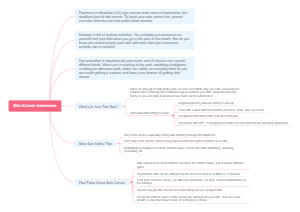
Clinical neoplasia refers to the manifestation and presentation of cancer in a patient. Neoplasia is the abnormal growth of cells that can form tumors or invade surrounding tissues. Clinical neoplasia involves the observation and assessment of signs and symptoms that indicate the presence of cancer, such as unexplained weight loss, pain, changes in organ function, or the detection of abnormal masses through imaging or physical examination. The clinical evaluation of neoplasia often involves diagnostic tests, such as biopsies or imaging studies, to confirm the presence of cancer and determine its extent. Understanding the clinical aspects of neoplasia is crucial for early detection, accurate diagnosis, and appropriate treatment planning for cancer patients.
- Carcinogenesis
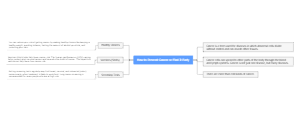
Carcinogenesis, the process of cancer development, involves a series of genetic and epigenetic changes that lead to the transformation of normal cells into cancerous ones. This intricate process encompasses multiple stages, including initiation, promotion, and progression, and is influenced by various factors such as genetic predisposition, environmental exposures, and lifestyle choices. In this mind map, we will explore the complexities of carcinogenesis, including the molecular and cellular mechanisms involved in the initiation and progression of cancer. By delving into the intricacies of carcinogenesis, we can gain a deeper understanding of this critical process and its implications for cancer research and patient care.
Sympahtetic drugs
- Leishmaniasis
This is a clear mind map of leishmaniasis, mainly explaining contents such as skin, mucous membranes, skin, and viscera. Each content is further explained on several levels, including the pathogenesis, clinical manifestations, diagnostic methods, and treatment plans for leishmaniasis.
- Clinical neoplasia
Clinical neoplasia refers to the manifestation and presentation of cancer in a patient. Neoplasia is the abnormal growth of cells that can form tumors or invade surrounding tissues. Clinical neoplasia involves the observation and assessment of signs and symptoms that indicate the presence of cancer, such as unexplained weight loss, pain, changes in organ function, or the detection of abnormal masses through imaging or physical examination. The clinical evaluation of neoplasia often involves diagnostic tests, such as biopsies or imaging studies, to confirm the presence of cancer and determine its extent. Understanding the clinical aspects of neoplasia is crucial for early detection, accurate diagnosis, and appropriate treatment planning for cancer patients.
- Carcinogenesis
Carcinogenesis, the process of cancer development, involves a series of genetic and epigenetic changes that lead to the transformation of normal cells into cancerous ones. This intricate process encompasses multiple stages, including initiation, promotion, and progression, and is influenced by various factors such as genetic predisposition, environmental exposures, and lifestyle choices. In this mind map, we will explore the complexities of carcinogenesis, including the molecular and cellular mechanisms involved in the initiation and progression of cancer. By delving into the intricacies of carcinogenesis, we can gain a deeper understanding of this critical process and its implications for cancer research and patient care.
- Recommended to you
- Outline