 Wondershare EdrawMind
MindMap Gallery Medicine-Ophthalmology Mind Map
- 1.7k
- 7
- 1
Medicine-Ophthalmology Mind Map
Clinical medical ophthalmology, including basic ophthalmology, eye examination, eyelid diseases, retinal diseases, conjunctival diseases, etc. Friends in need should quickly collect it!
Edited at 2023-12-09 12:27:41
- Avatar Character Relationship Chart
Avatar 3 centers on the Sully family, showcasing the internal rift caused by the sacrifice of their eldest son, and their alliance with other tribes on Pandora against the external conflict of the Ashbringers, who adhere to the philosophy of fire and are allied with humans. It explores the grand themes of family, faith, and survival.
- Zootopia 2 Easter Egg
This article discusses the Easter eggs and homages in Zootopia 2 that you may have discovered. The main content includes: character and archetype Easter eggs, cinematic universe crossover Easter eggs, animal ecology and behavior references, symbol and metaphor Easter eggs, social satire and brand allusions, and emotional storylines and sequel foreshadowing.
- Zootopia 2 Character Relationship Chart
[Zootopia Character Relationship Chart] The idealistic rabbit police officer Judy and the cynical fox conman Nick form a charmingly contrasting duo, rising from street hustlers to become Zootopia police officers!
Medicine-Ophthalmology Mind Map
- Avatar Character Relationship Chart
Avatar 3 centers on the Sully family, showcasing the internal rift caused by the sacrifice of their eldest son, and their alliance with other tribes on Pandora against the external conflict of the Ashbringers, who adhere to the philosophy of fire and are allied with humans. It explores the grand themes of family, faith, and survival.
- Zootopia 2 Easter Egg
This article discusses the Easter eggs and homages in Zootopia 2 that you may have discovered. The main content includes: character and archetype Easter eggs, cinematic universe crossover Easter eggs, animal ecology and behavior references, symbol and metaphor Easter eggs, social satire and brand allusions, and emotional storylines and sequel foreshadowing.
- Zootopia 2 Character Relationship Chart
[Zootopia Character Relationship Chart] The idealistic rabbit police officer Judy and the cynical fox conman Nick form a charmingly contrasting duo, rising from street hustlers to become Zootopia police officers!
- Recommended to you
- Outline

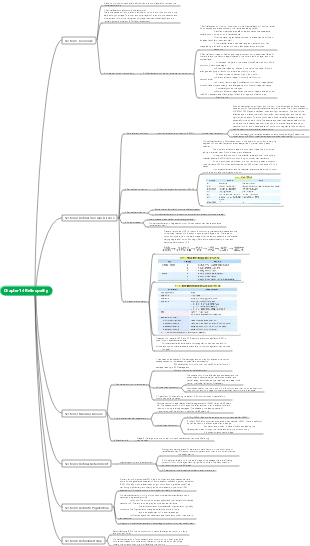
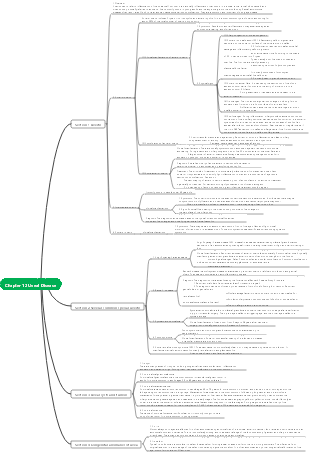
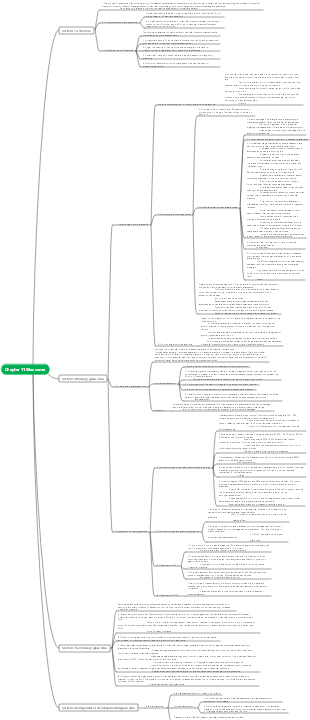
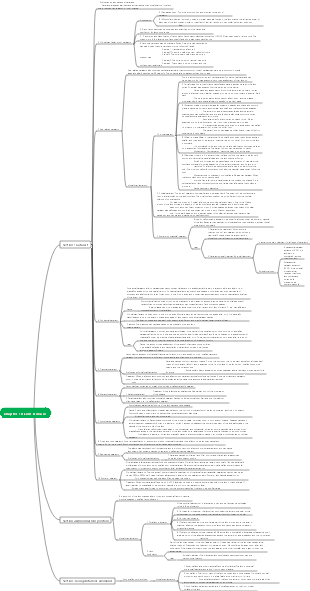
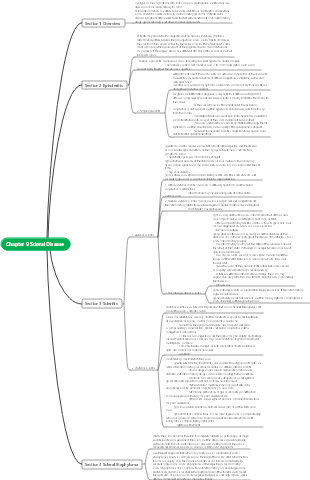
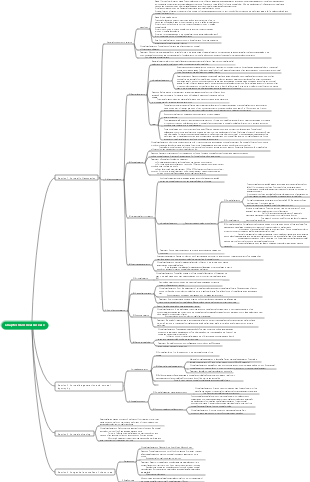
ophthalmology
Basics of Ophthalmology
anatomy of eye
eyeball
eyeball wall
Outer layer: fiber layer
Cornea 1/6
Epithelial cell layer (strong regeneration, no scarring)
Descemet's membrane
matrix layer
Descemet's membrane
endothelial cell layer
corneoscleral limbus
Sclera 5/6
episclera
scleral parenchyma
Brown and black layer
Middle layer: uvea
iris
matrix layer
pupillary sphincter (parasympathetic)
pigment epithelium
pupillary dilator muscle (sympathetic)
ciliary body
ciliary body crown
Function: secrete aqueous humor
pars plana
surgical entrance
Choroid
choriocapillaris layer
Middle vascular layer-Sattler layer
Great vessel layer – Haller layer
Inner layer: retina
blind part
iris department
ciliary body
Department of Vision
Histological structure
sensory nerve layer
Neurons
Retinal photoreceptors (cones and rods)
bipolar cells
ganglion cells
Glia
Vascular system
pigment epithelium (RPE)
special structure
Optic disc/optic papilla
Macula/fovea
eye content
Aqueous humor
circulatory pathway
lens
lens capsule
lens fibers
lens cortex
lens nucleus
Vitreous body
intraocular cavity
Anterior chamber
back room
vitreous cavity
ocular appendage
eyelids
conjunctiva
palpebral conjunctiva
bulbar conjunctiva
fornix conjunctiva
tear organ
lacrimal gland
duct of tears
extraocular muscles
sight path
blood vessels and nerves of the eye
Blood vessel
artery
central retinal arterial system
ciliary vasculature
short posterior ciliary artery
long posterior ciliary artery
anterior ciliary artery
vein
central retinal vein
anterior ciliary vein
vortex vein
nerve
Innervates extraocular muscles
Nasociliary nerve
ciliary ganglion
Before the holiday
Sensory root-nasociliary nerve
Motor root - oculomotor nerve
Sympathetic root-internal carotid plexus
After the holiday
short ciliary nerve
Physiology of the Eye
tears, tear film
Surface: lipid layer
Middle: water liquid layer
Bottom: Mucin layer
cornea
iris
Adjust the light entering your eyes
Participate in imaging
ciliary body
Secretion of aqueous humor
Participate in regulation
water proof
Maintain metabolism and regulate intraocular pressure
Choroid
Shading, darkroom function
crystal
Nutrition, refraction and accommodation
Vitreous body
Support, buffer, light transmission
retina
photosensitive imaging
Eye examination
Medical history collection and main symptoms of eye diseases
Visual function test
vision
vision
Concentric visual field narrowing
retinitis pigmentosa
Late stage glaucoma
Retrobulbar optic neuritis
peripheral retinochoroiditis
hemianopia
homonymous hemianopia
macular schisis
Postchiasmatic fasciculus
macular avoidance
cortical patients
Temporal hemianopia
Sector-shaped visual field defect
The fan-shaped tip is located in the physiological blind spot
Branch retinal artery occlusion or ischemic disc disease
The tip of the fan is at the central fixation point
visual pathway disease
Quadrantanopia
Anterior optic radiation damage
nasal step
Early visual field loss in glaucoma
dark spot
central scotoma
Maculopathy
Retrobulbar optic neuritis
arcuate scotoma
Optic nerve fiber tract damage
ring scotoma
retinitis pigmentosa
Expanded physiological blind spots
Optic disc edema
color vision
Dark adaptation and light adaptation
Stereoscopic vision
contrast sensitivity
Visual electrophysiology
electroretinogram
visual evoked potential
electrooculogram
Wavefront Aberration Analysis
eye examination
Eye appendage examination
Anterior segment examination of the eyeball
Slit lamp biomoscopy
Ophthalmoscopy
Eye imaging examination
corneal topography
corneal endothelioscope
Corneal Confocal Microscopy
Fundus color photos
fundus angiography
Fluorescein fundus angiography FFA
Indocyanine green angiography ICGA
fundus autofluorescence
Optical coherence tomography OCT
Laser scanning topologist
Eye ultrasound
computed tomography
NMR
eyelid disease
Overview
layered
skin
subcutaneous tissue layer
muscle layer
Tarsal layer
palpebral conjunctiva
eyelid inflammation
Blepharitis (stye)
Pathogen: Staphylococcus aureus
Classification
External blepharitis
Eyelash follicles or their attached sebaceous glands (Zeis glands) or abnormal sweat glands (Moll glands)
Internal blepharitis
Meibomian gland infection
treat
Early stage: local hot compress, oral antibiotics if systemic symptoms occur
Abscess formation, incision and drainage of pus
It has not become an abscess and should not be incised.
Meibomian gland cyst (chalazion)
Most common: young or middle-aged people
chronic granulomatous inflammation
no pain
Diagnosis: Differentiating Meibomian Gland Carcinoma
Treatment: hot compress, hormone injection, surgical excision
Blepharitis
Squamous blepharitis
seborrhea
Eyelashes can be regenerated
ulcerative blepharitis
Staphylococcus aureus infection
Eyelashes cannot regenerate and can lead to bald eyelashes
Canthus blepharitis
Common hair: outer canthus
Treatment: zinc sulfate eye drops, proper intake of vitamin B2
viral blepharitis
Herpes simplex virus blepharitis
Herpes simplex virus type I
Herpes zoster virus blepharitis
Varicella-zoster virus
contact blepharitis
treat
Acute phase: saline or boric acid wet compress
Systemic antihistamines
eyelid tumors
benign
eyelid hemangioma
Eyelid pigmented nevus
Histological classification
Handover mole
intradermal nevus
compound nevus
blue nevus
Congenital melanocytosis of the eyelid skin
Eyelid xanthomas
Can occur in patients with high blood lipids
Prevalent: upper eyelid near canthus
malignant
eyelid basal cell carcinoma
Commonly occurs in the medial canthus of the lower eyelid
Eyelid sebaceous gland cancer
Most likely to occur on the upper eyelids
eyelid squamous cell carcinoma
Commonly occurs at the skin and mucosal transition of the eyelid margin
Eyelid position, function, and congenital anomalies
Trichiasis and disordered eyelashes
Entropion
Ectropion
Classification
Degenerative
Scarring
paralytic
Incomplete eyelid closure
Cause
Facial nerve palsy
ptosis
congenital
(Often) Hypoplasia of the oculomotor nucleus or levator palpebrae superioris muscle
Acquisition
Oculomotor nerve palsy
Levator palpebrae superioris muscle injury
Sympathetic nerve damage
Horner syndrome
myasthenia gravis
Light in the morning and heavy at night
Mechanical eyelid opening dysfunction
epicanthic fold
blepharoplasty syndrome
tear organ disease
Overview
tear secretor
lacrimal gland
reflective
watery layer
accessory lacrimal gland
Basic (main components of tear film)
water sample
include
Krause gland
Wolfing gland
Ciaccio gland
Meibomian glands
Lipids (meibomian glands and Zeiss glands)
conjunctival goblet cells
Mucin
tear drainer
Little tears up and down
superior and inferior lacrimal canaliculus
lacrimal duct
lacrimal sac
Nasolacrimal duct
Tear secretion system diseases
dacryoadenitis
acute dacryoadenitis
"S" shape of upper eyelid
Treatment: Antibiotics or antivirals
chronic dacryoadenitis
proliferative inflammation
Mostly immune factors
Rarely tearing or popping eyes
Treatment: Immunosuppression, anti-inflammatory
lacrimal gland tumors
benign
lacrimal gland pleomorphic adenoma
painless
Eyeball pressure displacement
Treatment: Surgery of choice
malignant
Adenoid cystic carcinoma of the lacrimal gland (common)
Good hair, middle-aged and elderly women
Diplopia
Treatment: Extended resection is preferred
Lacrimal gland pleomorphic adenocarcinoma
extended resection
lacrimal gland prolapse
abnormal tear secretion
Too little tear secretion
congenital
Riley-Day syndrome
Acquired nature
Sjogren's syndrome/keratoconjunctivitis sicca
Involving multi-system autoimmune diseases
excessive tear secretion
"Crocodile Tears"
After facial nerve paralysis, nerve dislocation regeneration
Tear drainage system disease
Blocked or narrowed tear ducts
Dacryocystitis
acute dacryocystitis
Do not perform lacrimal probing or lacrimal duct flushing
chronic dacryocystitis
Surgical treatment of choice
It is more common in middle-aged and older women (the nasolacrimal ducts are narrower in women)
lacrimal sac tumor
conjunctival disease
conjunctivitis
Summary
Common signs
conjunctival hyperemia
Disappears after instillation of epinephrine
conjunctival secretions
bacteria
Serous ➡️Mucoid or purulent
allergic
Thick and silky
Virus
watery or serous
Nipple hyperplasia
superior palpebral conjunctival papilla
Vernal conjunctivitis
foreign body irritation
lower palpebral conjunctival papilla
allergy
follicle formation
True membrane and fake membrane
pseudomembrane
Adenovirus conjunctivitis
primary herpetic conjunctivitis
True membrane
bulbar conjunctival edema
subconjunctival hemorrhage
epidemic conjunctivitis
Adenovirus
enterovirus
acute conjunctivitis
Kochweeks bacilli
conjunctival granuloma
Meibomian gland cyst
conjunctival scarring
pseudoptosis
trachoma
swollen lymph nodes before ear
viral conjunctivitis
Chlamydia
Gonococcal (hyperacute)
Common diagnostic methods
clinical examination
Pathological examination
Cytological examination
Treatment principles
Do not bandage the affected eye in the acute stage
bacterial conjunctivitis
Acute papillary conjunctivitis with catarrhal or mucopurulent exudate
Classification
hyperacute bacterial conjunctivitis
Acute or subacute bacterial conjunctivitis/acute catarrhal conjunctivitis
pink eye
chronic bacterial conjunctivitis
viral conjunctivitis
Adenoviral keratoconjunctivitis
epidemic keratoconjunctivitis
acute follicular conjunctivitis
corneal subepithelial infiltration
Pharyngeal conjunctivitis
acute follicular conjunctivitis
Pharyngitis, fever
epidemic hemorrhagic conjunctivitis
enterovirus type 70
Incubation period: 18~48h
acute follicular conjunctivitis
subconjunctival hemorrhage
swollen lymph nodes before ear
chlamydial conjunctivitis
trachoma
Type A, B, C or Ba
Treatment duration: 3 to 8 weeks
identify
chronic follicular conjunctivitis
Prevalent: Children or teenagers
Follicles of equal size and neatly arranged
Inclusion conjunctivitis
D~K type
immune conjunctivitis
Vernal keratoconjunctivitis VKC
Both humoral and cellular immunity are involved
Itchy eyes, worsened at night
Paving stone hyperplasia of palpebral conjunctiva
corneal shield ulcer
Horner-Trantas nodule
Seasonal allergic conjunctivitis/hay fever conjunctivitis
perennial allergic conjunctivitis
giant papillary conjunctivitis
Wearing contact lenses or prosthetic eyes
allergic conjunctivitis
alveolar keratoconjunctivitis
Solid nodular vesicles at the limbus or bulbar conjunctiva
treat
Glucocorticoids
autoimmune conjunctivitis
Sjogren's syndrome
Stevens-Johnson syndrome
cicatricial pemphigoid
conjunctival tumors
primary benign conjunctival tumor
Cytochrome nevus
conjunctival papilloma
Conjunctival dermoid tumors and dermoid lipomas
conjunctival hemangioma
conjunctival cyst
primary conjunctival malignant tumor
conjunctival intraepithelial neoplasia
conjunctival squamous cell carcinoma
melanoma
Other conjunctival diseases
conjunctival degenerative disease
blepharoptosis
pterygium
conjunctival stones
Subconjunctival hemorrhage
corneal disease
Overview
corneal inflammation
Summary
Cause
Infectious: bacteria, viruses, fungi, parasites
Endogenous: autoimmune
local spread
transformation
Causative factors ➡️Congestion of limbal vascular network
Corneal infiltration (localized gray-white opacities)
Eye irritation symptoms
decreased vision
Ulcerative stage: corneal ulcer
Involvement of Descemet's membrane
Descemet's membrane bulge
Descemet membrane rupture
Corneal perforation, which may form corneal fistula
Easy to develop secondary eye infection! Can cause eyeball atrophy and blindness
ulcer resolution period
Improvement in symptoms and signs
healing period
corneal pannus
corneal nebula
walleye
Adhesive leukoplakia (embedded iris tissue, history of corneal perforation)
secondary glaucoma
corneal staphyloma
clinical manifestations
Eye pain, photophobia, tearing, blepharospasm
diagnosis
Clinical manifestations ➕Medical history (infectious? non-infectious?) ➕Laboratory diagnosis
treat
Principle: remove the cause, control infection, promote scar healing, and reduce scar formation
Glucocorticoids (generally only used for non-ulcerative stromal keratitis)
infectious corneal inflammation
bacterial keratitis
pathogenic bacteria
Grapevine, Streptococcus, Pseudomonas aeruginosa
clinical manifestations
Urgent onset
Streptococcus
Central stromal deep oval ulcer
radial folds of Descemet's membrane
Often associated with hypopyon
Pseudomonas aeruginosa
Yellow-green purulent or mucopurulent discharge
Surrounding gray-white or yellow-white infiltration ring
Most likely hypopyon
treat
Frequent eye drops of topical antibiotics
G➕
Cephalosporins (cefazolin)
G➖
Aminoglycosides (tobramycin, gentamicin)
subconjunctival injection
systemic medication
Ineffective, perform surgery
fungal keratitis
Cause
caused by plants
Antibiotics, secondary ocular surface diseases
clinical manifestations
Slow onset
The surface is lackluster and has a toothpaste-like or scum-like appearance.
immune loop
Empyema may accumulate in the anterior chamber
Strong penetrability, can enter the eyes and cause fungal endophthalmitis
Herpes simplex keratitisHSK
Primary herpes simplex virus infection
Recurrent herpes simplex virus infection
epithelial keratitis
dendritic keratitis
center of cornea
May develop into geographic corneal ulcers
Corneal hypoaesthesia (epithelial HSK)
neurotrophic keratitis
stromal keratitis
Immunity
Discoid stromal edema in the central area of the cornea, with intact corneal epithelium
Available corticosteroids
Necrotic
Acanthamoeba keratitis
non-infectious corneal inflammation
stromal keratitis
Neuroplegic keratitis
Cause
trigeminal nerve injury
Point-like shedding ➡️ into flaky epithelial defects ➡️ ulcers ➡️ secondary infection, purulent corneal ulcer
exposure keratitis
Cause
loss of eyelid protection
Facial nerve paralysis (cannot close eyes)
Deep anesthesia, coma
Filamentous keratitis
gnawing keratitis
autoimmune disease
The ulcer develops in a circular shape along the corneal limbus and infiltrates into the central area.
Corneal degeneration and corneal dystrophy
corneal degeneration
Corneal Senile Ring
band keratopathy
Cumulative superficial corneal calcific degeneration of Descemet's membrane
Borderline corneal degeneration/Terrien marginal degeneration
Good hair: youth
Bilateral peripheral corneal ectasia
Symmetrical corneal edge thinning and dilation (most common in the superior nasal quadrant)
Generally no pain or photophobia
corneal dystrophy
Epithelial basement membrane dystrophy/map-punctate-fingerprint dystrophy
Grayish white dots or patches
Fuchs corneal endothelial dystrophy
Chang Xian
Menopausal woman, both eyes
Progressive damage to corneal endothelium
Corneal droplets appear in the Descemet's membrane of the cornea
Keratomalacia
Cause
Lack of witA
clinical manifestations
Chronic onset
Early stage, night blindness
Congenital anomalies of the cornea
Keratoconus
clinical manifestations
progressive loss of vision
Triad: Fleischer’s ring (siderosis) ➕ Vogt’s lines (increased stromal lamellar folds) ➕ Munson’s sign (cone compressing the lower eyelid margin)
diagnosis
Early, corneal topography
treat
Early and mid-term vision correction
cornea transplant
penetrating corneal transplant
deep lamellar corneal transplantation
large cornea
small cornea
diameter less than 10mm
corneal tumors
corneal dermoid tumor
Corneal intraepithelial carcinoma/corneal carcinoma in situ/Bowen's disease
"Pine needle-like" new blood vessels
corneal squamous cell carcinoma
Complications caused by contact with corneal lenses
Corneal complications of excimer laser corneal refractive surgery
Debris
corneal neurotrophic epitheliopathy
Diffuse interlaminar keratitis DLK/Saharan syndrome
infectious corneal reaction
progressive corneal ectasia
Sclerosis
Episcleritis
nodular episcleritis
simple episcleritis
scleritis
anterior scleritis
diffuse anterior scleritis
nodular anterior scleritis
necrotizing anterior scleritis
posterior scleritis
scleral staphyloma
lens disease
cataract
clinical manifestations
symptom
visual impairment
Diplopia
Lens core hardness grading
Age-related cataracts/senile cataracts
clinical manifestations
cortical cataract
initial stage
Wedge-shaped turbidity
expansion stage/immature stage
Increased size may induce acute attacks of glaucoma
sharp decrease in vision
iris projection, crescent projection
mature stage
Calcification points
Overripe period
iris tremor
Lens dissolving glaucoma
nuclear cataract
Posterior subcapsular cataract
early visual impairment
treat
medical treatement
Surgical treatment
Cataract needle removal
intracapsular cataract extraction
extracapsular cataract extraction
Phacoemulsification Cataract Removal
congenital cataract
Cause
genetics
environment
Viral infection in pregnancy (rubella virus)
malnutrition during pregnancy
traumatic cataract
Cataracts caused by blunt trauma to the eye
Vossius Ring
Cataract caused by eyeball perforation
Cataracts caused by eye explosion injuries
Cataract caused by electric shock injury
metabolic cataract
diabetic cataract
galactose cataract
Diet therapy
tetany cataract
Complicated cataract
Glaucoma➡️Cortex and nucleus
High myopia ➡️Nucleus
Drugs and toxic cataracts
radiation cataract
Caused by infrared rays
Glass factory, steel factory
Caused by ionizing radiation
Caused by microwaves
post-onset cataract
Elschnig bead-like bodies
Nd:YAG laser
Abnormal lens position
total lens dislocation
Lens subluxation
The two fundus images are very different in size.
Congenital lens abnormality
Abnormal lens morphology
spherical lens
cone lens
lens defect
umbilical lens defect
eye injury
Mechanical
non-penetrating injury to eyeball
blunt eyeball trauma
eyelid contusion
corneal contusion
corneal epithelial abrasion
corneal stromal edema
Corneal rupture
Iris ciliary body contusion
Iris and pupil abnormalities
Hyphema
lens contusion
Vitreous hemorrhage
Choroidal and retinal contusion
choroidal rupture
Retinal shock and contusion
Traumatic macular hole
jagged break
ruptured eyeball
penetrating eyeball injury
Classification
corneal penetrating injury
Simplicity
Complexity
Corneoscleral transmission injury
scleral transmission injury
complication
Traumatic infectious endophthalmitis
Sympathetic ophthalmia
Traumatic proliferative vitreoretinopathy
treat
Early stage
Post-traumatic inflammation and infection prevention and treatment
Second stage surgery
Eyeball foreign body injury
foreign body outside eyeball
Foreign body in eye
non-mechanical
Strabismus and amblyopia
Overview
Kappa corner
monocular movement
Eye movements in the same direction
heterodirectional movement of eyes
gather
separate
Fusion
sensory fusion
motion fusion
Dominant eye/dominant eye
Myopia
Strabismus
Orthographic view
prism degree
first oblique angle
first sight position
second eye position
third eye position
Diagnostic eye position
Extraocular muscles and eye movements
Antagonist muscles, synergist muscles, partner muscles
Binocular vision and abnormal changes after strabismus
binocular vision
Abnormal binocular vision after strabismus
Diplopia
confusing vision
Abnormal binocular vision after strabismus
inhibition
amblyopia
peripheral gaze
Abnormal retinal correspondence
Clinical examination of strabismus
ordinary inspection
cover check
Covering-uncovering method
Determine whether strabismus or strabismus is apparent
alternating covering method
Is there a tendency for the eyes to tilt?
squint angle inspection
corneal photoreflection
Determine the degree of strabismus
prism plus cornea light reflection method
Triangular prism plus covering experiment
Synopsis method
Eye movement function test
Monocular movement test
Eye movement test
Eye movements in the same direction
heterodirectional movement of eyes
gather
AC/A ratio
doll head test
Identify the authenticity of external rotation movement restrictions
Pull test
Parks three-step method
In vertical strabismus, identify whether the primary paralyzed muscle is the superior oblique muscle or the superior rectus muscle of the other eye
Perceptual function test
monocular suppression test
Worth four-point light inspection
Bago linear microscopy
Fusion reserve check
Red filter plus prism method
Stereoscopic examination
Diplopia examination
Measure paralyzed muscles
Basic principles of strabismus treatment
non-surgical treatment
Treatment of amblyopia
Precise glasses
Covering the dominant eye of monocular amblyopia
Optical therapy
glasses
Patients with esotropia have significant hyperopia (esotropia is partly or entirely related to hyperopia)
Full prescription correction
prism
Diplopia
medical treatement
Mydriatic and miotic agents
atropine
refractive accommodative esotropia
miotic agent
High AC/A type accommodative esotropia
Botulinum toxin type A
vision correction training
Surgical treatment
Monographs on Strabismus
esotropia
Congenital esotropia (basic infantile esotropia)
Within 6 months
accommodative esotropia
refractive accommodative esotropia
Treatment: Full refractive prescription spectacle correction
partial accommodative esotropia
Wear full refractive prescription glasses for 3 to 6 months for correction. If the correction cannot be completed, surgery is required.
High AC/A type accommodative esotropia
mixed accommodative esotropia
nonaccommodative esotropia
Exotropia
vertical strabismus
A. V-shaped strabismus
Special type of strabismus
amblyopia
Classification
strabismic amblyopia
anisometropic amblyopia
refractive error amblyopia
form deprivation amblyopia
Nystagmus
Refractive error
Overview
eyeball optics
Emmetropia, Refractive Error and Presbyopia
face
Shortsighted
refractive myopia
axial myopia
Farsightedness
Manifest hyperopia
Hidden hyperopia
total farsightedness
absolute hyperopia
random farsightedness
astigmatism
Classification
According to the relationship between the principal meridians
regular astigmatism
normal astigmatism
contrarian astigmatism
oblique-axis astigmatism
Irregular astigmatism
anisometropia
Presbyopia
Refractive examination method
static retinoscopy
Subjective refraction
red green test
Refractive error correction methods
visual pathway disease
Optic nerve disease
Optic neuritis
Classification
discitis
Optic disc edema
Retrobulbar optic neuritis
Fundus remains unchanged
Cause
Demyelination (multiple)
Infect
autoimmune disease
clinical manifestations
Pain when moving the eyeballs
Uhthoff's sign
Multiple eyes in children
Visual field: central scotoma or concentric reduction of visual field
physical signs
Relative afferent pupillary disorder RAPD (must and objective)
Differential diagnosis
pseudooptic disc edema
Anterior ischemic optic neuropathy AION
Leber hereditary optic neuropathy LHON
Dark spot in center of visual field
Toxic or metabolic optic neuropathy
treat
Combined intravenous corticosteroids
Anterior ischemic optic neuropathy
Visual field: arcuate or fan-shaped defect connected to physiological blind spot
Optic disc edema
Visual field: Expanded physiological blind spots but normal peripheral vision
Optic atrophy
primary optic atrophy
Downward
secondary optic atrophy
Upward
Optic nerve tumors
Classification
glioma
Optic nerve sheath meningioma
Optic disc development abnormalities
Chiasmatic disease
Visual pathway lesions above the optic chiasm
Optic tract pathology
Lateral geniculate body disease
Optic radiation lesions
Occipital lobe lesions
retinal diseases
Overview
Retinopathy characteristics
retinal vascular changes
Symptoms of blood-retinal barrier disruption
retinal edema
intracellular edema
Ischemia and hypoxia
extracellular edema
Blood-retinal barrier disruption
Retinal exudation
Hard exudation
Soft exudates (cotton wool spots)
Nerve fiber layer micro-obstruction, non-infiltration
retinal hemorrhage
Deep
Located between outer layer and inner core layer
dark red dots, veins
diabetic retinopathy
Shallow layer
located in the nerve fiber layer
Wire, strip and flame, arterial
hypertensive retinopathy
preretinal hemorrhage
Half-moon or hemispherical, horizontal liquid surface
Vitreous hemorrhage
Patchy or lumpy bleeding
subretinal hemorrhage
Black-red or black-gray raised lesions with clear borders
Exudative (serous) retinal detachment
PRE barrier suffered extensive damage
retinal pigment changes
PRE damaged
retinal proliferative disease
Retinal degeneration changes
retinal vasculopathy
retinal artery occlusion
acute retinal artery occlusion
central retinal artery occlusion CRAO
painless vision loss
cherry red spots
branch retinal artery occlusion BRAO
Ciliary retinal artery occlusion
Retinal precapillary arteriolar occlusion—cotton wool spots
Chronic insufficiency of central retinal artery
retinal vein occlusion (RVO)
Central retinal vein occlusion CRVO
venous tortuosity
Retinal hemorrhage is flame-shaped and distributed along retinal veins
cystoid macular edema
branch retinal vein occlusion BRVO
Main reason: hardened arteries compression
More common in superior temporal branch obstruction
Classification
non-ischemic type
ischemic type
macular edema
Retinal neovascular hemorrhage
Eales disease/periretinal phlebitis
traction retinal detachment
prone to sudden vitreous hemorrhage
Formation of non-perfused zone and neovascularization
Coats disease/retinal telangiectasia
exudative retinal detachment
diabetic retinopathy DR
Classification
Non-value-added (simple) NPDR
Value-added PDR
Can cause traction retinal detachment
treat
control blood sugar
Severe NPDR and PDR, panretinal photocoagulation
Macular edema, macular grid photocoagulation
Hypertensive Retinopathy HRP
retinopathy of prematurity
macular disease
central serous chorioretinopathy
clinical manifestations
decreased vision
Vision becomes darker, deformed, or smaller
Glucocorticoids and vasodilators are contraindicated
Idiopathic choroidal neovascularization
age-related jaundice ARMD
Dry ARDM (atrophic or non-neovascular)
macular drusen
Pigmentary disorders and geographic atrophy
Wet ARDM (exudative or neovascular)
Treatment: Intravitreal injection of anti-VEGF drugs
cystoid macular edema
myopic macular degeneration
macular hole
macular epiretinal membrane
retinal detachment
rhegmatogenous retinal detachment (RRD)
Cause
Two major elements
retinal tear formation
Vitreous traction and liquefaction
The most common degeneration: lattice degeneration
Floating objects, flashes and curtain-like shadows
treat
Principle: seal the hole
Traction retinal detachment (TRD)
Exudative retinal detachment (ERD)
retinitis pigmentosa
genetics
symptom
Early stage: night blindness
Early stage: annular scotoma, late stage: tubular visual field
retinoblastoma
Vitreous disease
Overview
composition
Collagen (type II collagen) and hyaluronic acid
Age-related changes in the vitreous body
posterior vitreous detachment
sparkle
Weiss ring
Floaters
Vitreoretinal interface abnormalities
vitreous degeneration
stellate vitreous degeneration
diabetes, lipid particles
Sparkling vitreous liquefaction/vitreous cholesterol deposition degeneration
Vitreous hemorrhage
Other vitreous diseases
congenital hereditary retinoschisis
X hidden
Familial exudative vitreoretinopathy FEVR
Chang Xian
Vitreous surgery
uveal disease
uveitis
anterior uveitis
Classification
Iritis, iridocyclitis, anterior cyclitis
clinical manifestations
symptom
physical signs
Retrocorneal hyperplasia KP
dusty
Neutrophils, Lymphocytes and Plasma Cells
Medium size
Neutrophils, Lymphocytes and Plasma Cells
Fuchs syndrome, viral keratitis
mutton-fat
Mononuclear macrophages, epithelial-like cells
granulomatous uveitis
Anterior chamber flash
Pupil changes
atresia, pupillary membrane closure
complication
Complicated cataract
secondary glaucoma
Low intraocular pressure and eye atrophy
identify
acute conjunctivitis
acute angle closure glaucoma
panuveitis that can cause anterior uveitis
treat
Principle: Dilate pupils immediately
Mostly caused by non-infectious factors and do not require antibiotics
Intermediate vitis
Vitreous snowball opacities, snowbank-like changes, and peripheral retinal vasculitis
posterior uveitis
panveticitis
Several common special uveitis
ankylosing spondylitis
non-granulomatous
eyes
Vogt-Koyanagi Harada disease VKH disease
Bilateral granulomatous panuveitis
recurring period
The eyes change like sunset
progress pattern
Prodromal stage (within 1 to 2 weeks before the onset of grape inflammation)
Post-uveitis stage (within 2 weeks after uveitis occurs)
Anterior uveal involvement stage (about 2 weeks to 2 months after onset)
Recurrent period of anterior uveitis (2 months after onset)
treat
First onset, glucocorticoids for more than one year
Relapse, immunosuppressants
Behcet's disease
Sympathetic ophthalmia
Incubation period: 2 weeks to 2 months
granulomatous
Fuchs syndrome
iris depigmentation
chronic non-granulomatous
One eye affected
Koeppe nodule
acute retinal necrosis syndrome ARN
Herpes virus
camouflage syndrome
infectious uveitis
Uveal cysts and tumors
iris cyst
Traumatic implantation is the most common
choroidal hemangioma
Sturge-Weber syndrome
choroidal malignant melanoma
Choroidal metastasis cancer
Women in their 40s to 70s
Breast cancer>Lung cancer
choroidal osteoma
Hairy young women
One eye is affected, near the optic disc
Congenital anomalies of the uvea
glaucoma
Overview
clinical diagnosis
intraocular pressure
Goldmann tonometer (gold standard)
corner
Field of view (gold standard)
optic disc
primary glaucoma
Primary angle-closure glaucoma
angle closing mechanism
Pupil block type (main)
Non pupillary block type
Peripheral iris hypertrophy type/iris high pleat type
ciliary body anterior position
Multiple mechanisms coexist
Classification
acute angle closure glaucoma
Prevalent: Older women (easily agitated)
Clinical manifestations and stages
preclinical
aura period
rainbow vision, fog vision
acute attack period
Hongshi
The triad of glaucoma: retrocorneal pigmentation, segmental iris atrophy, and glaucoma spots
Turbid aqueous fluid
Eyelid edema, corneal edema
Intermission
Shrinking agent alone can control
Chronic phase
Trabecular function has been severely impaired
absolute period
chronic angle closure glaucoma
primary open angle glaucoma
Cause
Unclear, related to the trabecular meshwork-Schlemm canal system
visual field defect
Paracentral scotoma and nasal step
treat
Commonly used intraocular pressure-lowering drugs
Parasympathomimetic drugs (miotics): Pilocarpine (pilocarpine)
beta-blockers: timolol/timolidine
Carbonic anhydrase inhibitor: Acetazolamide
alpha2 agonist
Reduce aqueous humor production
Prostaglandin derivatives: latanoprost (Xalida)
hypertonic agent
Commonly used anti-glaucoma surgeries
PACG treatment
POAG treatment
medical treatement
Prostaglandins (Class I)
refractory glaucoma
Optic nerve protective treatment
ocular hypertension
secondary glaucoma
Glaucoma cyclitis syndrome
Mutton-like retrocorneal deposits
Does not cause retropupillary synechiae
open angle
Glucocorticoid glaucoma
open angle
Secondary glaucoma caused by eye trauma
open angle
Intraocular injury - vitreous hemorrhage
hemolytic glaucoma
Lentogenic glaucoma
Expansion - closed angle
Overripe period, clogged
Dislocation-angle closure
Spherical-closed angle
Iridocyclitis secondary glaucoma
Iris annular posterior synechiae, angle closure; obstruction
neovascular glaucoma
ciliary ring obstruction glaucoma
closed angle
Secondary glaucoma after retinal vitreous surgery
iridocorneal endothelial syndrome
Pigmentary glaucoma
congenital or developmental glaucoma
Infantile glaucoma
often hidden
clinical manifestations
Characteristic expression
Photophobia, tearing, blepharospasm
Enlarged cornea and deepened anterior chamber
Haab stripes
juvenile glaucoma
Congenital glaucoma combined with other ocular or systemic developmental abnormalities