MindMap Gallery adrenoceptor blocking drugs
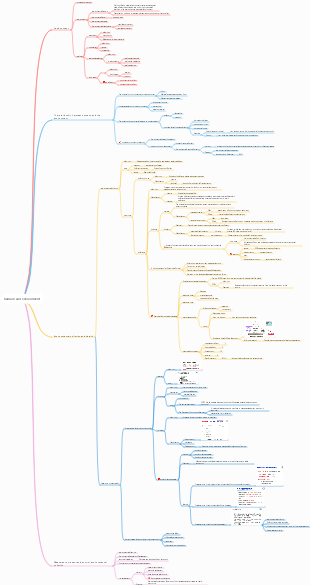
This is a mind map about adrenergic receptor blocking drugs. The main content includes: alpha and beta receptor blocking drugs, beta receptor blocking drugs, and alpha receptor blocking drugs.
Edited at 2024-03-13 19:58:00This is a mind map about bacteria, and its main contents include: overview, morphology, types, structure, reproduction, distribution, application, and expansion. The summary is comprehensive and meticulous, suitable as review materials.

This is a mind map about plant asexual reproduction, and its main contents include: concept, spore reproduction, vegetative reproduction, tissue culture, and buds. The summary is comprehensive and meticulous, suitable as review materials.
This is a mind map about the reproductive development of animals, and its main contents include: insects, frogs, birds, sexual reproduction, and asexual reproduction. The summary is comprehensive and meticulous, suitable as review materials.
This is a mind map about bacteria, and its main contents include: overview, morphology, types, structure, reproduction, distribution, application, and expansion. The summary is comprehensive and meticulous, suitable as review materials.
This is a mind map about plant asexual reproduction, and its main contents include: concept, spore reproduction, vegetative reproduction, tissue culture, and buds. The summary is comprehensive and meticulous, suitable as review materials.
This is a mind map about the reproductive development of animals, and its main contents include: insects, frogs, birds, sexual reproduction, and asexual reproduction. The summary is comprehensive and meticulous, suitable as review materials.
adrenoceptor blocking drugs
alpha receptor blockers
Non-selective α-blockers
Short-acting: phentolamine and tolazoline
Combined with alpha receptors through hydrogen bonds and ionic bonds, loosely
Pharmacological effects
Block vascular α1 receptors and relax blood vessels
Excites the heart, enhances myocardial contractility, accelerates heart rate, and increases cardiac output.
Vasodilation, blood pressure drop, caused by reflex excitation of sympathetic nerves
Blocks α2 receptors in the presynaptic membrane of nerve terminals, thereby promoting the release of norepinephrine and stimulating cardiac β1 receptors
Clinical application
Treatment of peripheral vasospastic diseases
Norepinephrine drip leakage
Treatment of refractory congestive heart failure and acute myocardial infarction heart failure
Significantly reduce cardiac afterload
Anti-shock
relax blood vessels
Reduce pulmonary circulation resistance
Improve visceral blood perfusion during shock and relieve microcirculatory disorders.
adrenal pheochromocytoma
For the identification, diagnosis and preparation before surgery of adrenal pheochromocytoma
drug-induced hypertension
Long-acting: phenoxybenzamine
Form strong covalent bonds with alpha receptors
Slow onset, strong and long-lasting effect
Clinical application
peripheral vasospasm
Anti-shock
Treating Pheochromocytoma
Treat benign prostatic hyperplasia
Selective α1 receptor blockers
Tamsulosin
Selective α2 receptor blockers
Yohimbine
beta blockers
Overview
Pharmacological effects
to cardiovascular
The heart rate slows down, myocardial contractility weakens, cardiac output decreases, myocardial oxygen consumption decreases, and blood pressure drops slightly.
Delays the conduction of the atria and atrioventricular nodes and prolongs the P-R interval of the electrocardiogram
Causes decreased blood flow to the liver, kidneys, and skeletal muscles
Blocking effect on vascular β2 receptors
Inhibits cardiac function, reflexively excites sympathetic nerves, causes vasoconstriction, and increases peripheral resistance.
It has no obvious effect on blood pressure of normal people, but has a blood pressure lowering effect on patients with hypertension.
Blocking bronchial smooth muscle β2 receptors can induce or aggravate bronchial asthma
To metabolism
Inhibit lipolysis
Block beta3 receptors
Inhibit glycogenolysis
Block beta2 receptors
Suppress hyperthyroidism
Inhibit renin release
intrinsic sympathomimetic activity
In addition to blocking, there is also partial activation
membrane stabilization
Some beta-blockers have
local anesthesia
Quinidine-like effects
Reduce cell membrane permeability to ions
membrane stabilization
Reduce intraocular pressure and treat glaucoma
Block beta receptors in the ciliary body
Reduce cAMP production
thereby reducing the production of aqueous humor
Clinical application
Arrhythmia, tachycardia
Angina and myocardial infarction
hypertension
congestive heart failure
Hyperthyroidism
Treat glaucoma
Adverse reactions
Inducing or exacerbating bronchial asthma
rebound phenomenon
Relevant to receptor upregulation
Peripheral vasoconstriction or even spasm
Occasionally Oculocutaneous-Mucosal Syndrome
Contraindications
Severe left ventricular dysfunction
sinus bradycardia
severe atrioventricular block
Bronchial asthma patients
Myocardial infarction patients
People with poor liver function
Non-selective beta-blockers
propranolol
Low bioavailability
Easily crosses the blood-brain barrier and placental barrier
No intrinsic sympathomimetic activity
timolol and carteolol
Treat glaucoma
The main mechanism is to reduce the production of aqueous humor
No adverse reactions such as miosis and accommodation spasm
Nadolol
Increase renal blood flow
Treat renal insufficiency
Pindolol
Selective β1 receptor blockers
Metoprolol
Esmolol
Alpha and beta receptor blockers
labelore
Arolol
carvedilol